


We've been looking into essential amino acids (EAAs) and how they relate to vegan and vegetarian diets. It seems these nine amino acids, which our bodies can't make on their own, are quite important for muscle, energy, and overall bodily functions. This article breaks down what EAAs are, why they're talked about so much, and how we can make sure we're getting enough, especially when our food choices might be limited in certain areas. We'll cover plant-based protein sources, the specific challenge of leucine intake, and when supplements might be a good idea.
Key Takeaways
-
Essential amino acids (EAAs) are the nine amino acids our bodies require but cannot produce, playing a role in muscle repair, hormone production, and general bodily functions. Without sufficient EAAs, our training and recovery can be impacted.
-
While many plant-based foods contain EAAs, some may be lower in specific ones, like leucine. This means vegans and vegetarians often need to be more mindful of combining different foods to get a complete amino acid profile.
-
Leucine is particularly important for signalling muscle protein synthesis, so identifying vegan foods rich in leucine, such as soy products, beans, and certain nuts and seeds, is key for those on plant-based diets.
-
A varied diet is the best way to ensure we get all the EAAs we need. Combining different plant proteins throughout the day helps create a balanced intake, covering all bases for bodily functions and muscle maintenance.
-
EAA supplements can be a useful tool for vegans, vegetarians, athletes, or anyone struggling to meet their EAA needs through diet alone, offering a convenient way to bridge nutritional gaps and support recovery and performance.
Understanding Essential Amino Acids for Vegans
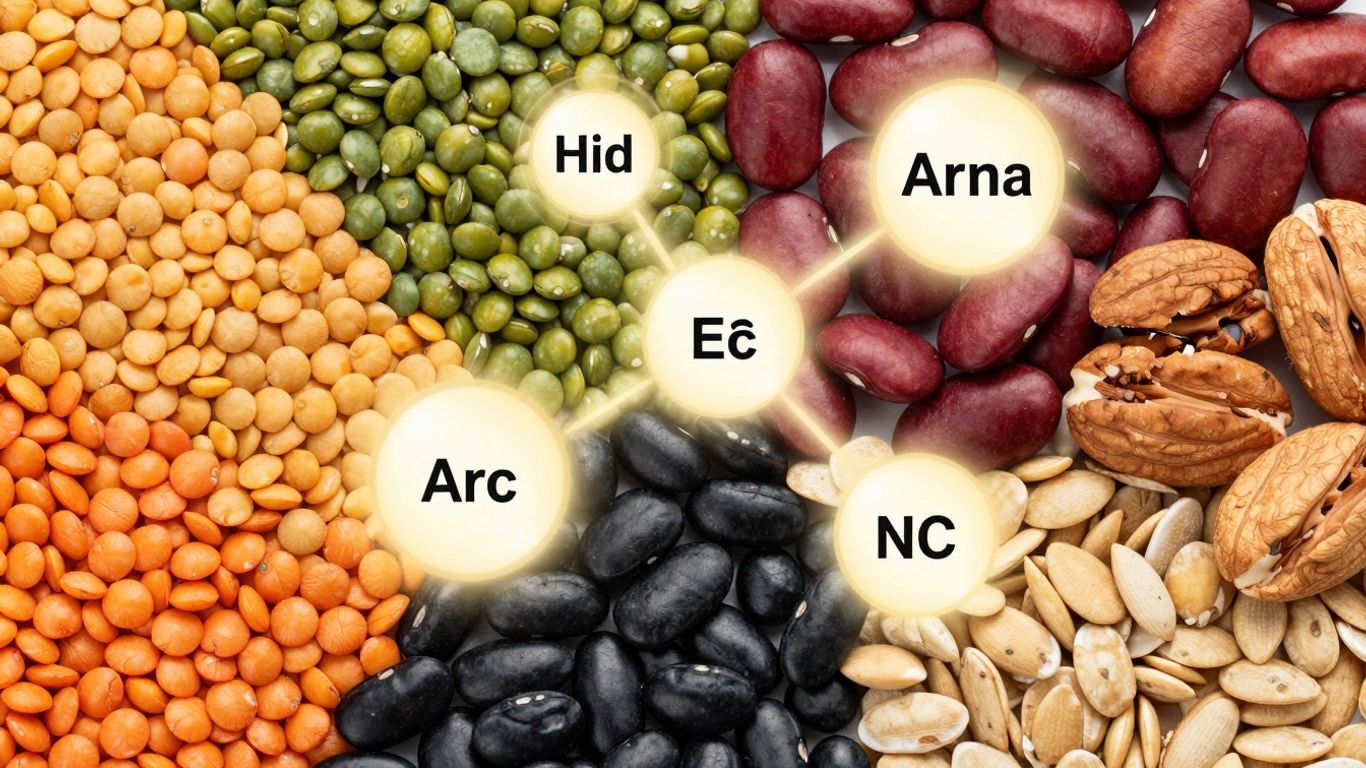
We often hear about amino acids as the building blocks of protein, which is true. But not all amino acids are created equal, at least not in terms of how our bodies get them. There are 20 common amino acids, and our bodies can actually make about half of them. The other half, however, are what we call essential amino acids. These nine essential amino acids are compounds our bodies absolutely need, but they can't produce them on their own, meaning we have to get them from the food we eat or from supplements [Lopez & Mohiuddin, 2022]. Think of them as the 'perfect amino acids' that our system relies on for many jobs.
The Nine Essential Amino Acids Explained
So, which ones are these vital nine? They are histidine, isoleucine, leucine, lysine, methionine, phenylalanine, threonine, tryptophan, and valine. You might recognise leucine amino acid as one of them; it's particularly well-known for its role in muscle building. Together, these nine form the complete set that our bodies can't synthesise. It's important to get all of them because they work together to help build proteins, which are used for pretty much everything in our bodies, from muscle tissue to enzymes [National Research Council, 1989].
Here's a quick look at the nine:
-
Histidine
-
Isoleucine
-
Leucine
-
Lysine
-
Methionine
-
Phenylalanine
-
Threonine
-
Tryptophan
-
Valine
Why EAAs Are Crucial for Bodily Functions
While muscle is a major player, EAAs do so much more. They are involved in the production of enzymes and hormones that regulate countless bodily processes. For instance, they play a part in immune function, helping our bodies fight off infections. They also contribute to the maintenance and repair of all body tissues, not just muscle. Think of them as tiny construction workers, constantly on call to fix and build wherever needed throughout the body.
EAAs Beyond Muscle: Cognitive and Hormonal Roles
It might surprise you to learn that EAAs also have a significant impact on our brain function. Certain EAAs are precursors to neurotransmitters, the chemical messengers that allow our nerve cells to communicate. For example, phenylalanine is a precursor to tyrosine, which in turn is used to make dopamine and norepinephrine, neurotransmitters vital for mood, focus, and alertness. A deficiency in specific EAAs can therefore manifest as fatigue, reduced mental sharpness, or even mood disturbances [4]. Ensuring we get a full spectrum of EAAs supports not just our physical health, but our mental well-being too. For those looking to supplement their intake, Essential Amino Acids (EAA) Tablets offer a convenient way to ensure all nine are covered.
Plant-Based Protein Sources and EAA Profiles
When we look at plant-based diets, understanding the amino acid profiles of different foods is key. It's not always as straightforward as with animal products, but it's definitely achievable to get all the necessary EAAs. Some plant foods are considered 'complete' proteins, meaning they contain all nine essential amino acids in good amounts. These include soy products like tofu and tempeh, quinoa, and buckwheat. These are fantastic staples for a vegan diet (Church et al., 2020).
Complete Plant Proteins: Soy, Quinoa, and Buckwheat
Soybeans, quinoa, and buckwheat stand out because they offer a full spectrum of EAAs. This means you can get all nine essential amino acids from a single source, which simplifies meal planning. For instance, a meal featuring tofu or a bowl of quinoa can contribute significantly to your daily EAA requirements. It's good to know that these options are readily available and versatile in cooking.
Complementary Plant Foods for a Full EAA Spectrum
While some plant foods are complete, many others are not. This doesn't mean they aren't valuable; it just means we need to be a bit more strategic. Many plant-based foods are lower in one or two specific EAAs. For example, grains can sometimes be low in lysine, while legumes might be lower in methionine. The good news is that by combining different plant foods throughout the day, we can create a complete EAA profile. Think of pairing rice with beans, or adding nuts and seeds to a salad. This approach ensures we're covering all our bases and getting a wide range of nutrients (Lopez & Mohiuddin, 2022).
Here's a general look at some common plant-based food groups and their EAA contributions:
|
Food Group |
Examples |
General EAA Profile |
|---|---|---|
|
Soy Products |
Tofu, Tempeh, Edamame |
Complete (all 9 EAAs) |
|
Pseudocereals |
Quinoa, Buckwheat |
Complete (all 9 EAAs) |
|
Legumes |
Beans, Lentils, Peas |
Incomplete (often lower in methionine) |
|
Grains |
Rice, Wheat, Oats |
Incomplete (often lower in lysine) |
|
Nuts & Seeds |
Almonds, Walnuts, Chia Seeds, Flax Seeds |
Incomplete (variable EAA profiles) |
Understanding EAA Gaps in Common Vegan Foods
It's helpful to be aware of where the potential 'gaps' might be in a typical vegan diet. For instance, if we rely heavily on grains without complementing them with legumes or other protein sources, we might miss out on sufficient lysine. Similarly, a diet focused on certain vegetables might be low in several EAAs. This is where variety truly comes into play. By eating a wide range of fruits, vegetables, legumes, grains, nuts, and seeds, we increase our chances of obtaining all the necessary amino acids. It's about building a diverse plate that supports overall health and muscle function. If you're looking for a convenient way to ensure you're getting all nine, you might consider an EAA supplement designed for vegans.
Addressing Low Leucine Intake in Vegan Diets
When we follow a vegan or vegetarian diet, we sometimes need to pay a bit more attention to our intake of certain nutrients, and essential amino acids (EAAs) are no exception. While plant-based foods offer a wealth of goodness, some can be lower in specific EAAs. Leucine, in particular, deserves a closer look because of its unique role.
Leucine's Unique Role in Muscle Protein Synthesis
We often hear about leucine being a bit of a superstar when it comes to muscle. It's one of the branched-chain amino acids (BCAAs) and is known to be a primary trigger for muscle protein synthesis (MPS). This is the process our bodies use to repair and build muscle tissue, especially after exercise. Without enough leucine, this signalling process can be less effective, potentially impacting muscle growth and recovery. Research has highlighted leucine's significant role in initiating MPS (Tipton et al., 2001).
Identifying Vegan Foods Rich in Leucine
While it might seem challenging, there are several excellent vegan protein sources that are relatively rich in leucine. We need to be mindful of these when planning our meals. Some of the best options include:
-
Soy products: Tofu, tempeh, and edamame are fantastic sources, offering a good amount of leucine along with other EAAs. A typical serving of tofu can provide a decent contribution to your daily needs.
-
Lentils and beans: While generally lower in methionine, legumes like lentils and various beans are good contributors to leucine intake. Combining them with grains can help create a more complete amino acid profile.
-
Nuts and seeds: Almonds, pumpkin seeds, and sunflower seeds offer some leucine, alongside healthy fats and other nutrients. They can be a great addition to meals and snacks.
-
Whole grains: Quinoa and buckwheat are considered complete proteins and provide a reasonable amount of leucine. Oats and brown rice also contribute.
It's worth noting that while animal products often have higher concentrations of leucine per serving, we can achieve adequate intake through careful selection and combination of plant-based foods. For instance, a study looking at vegetarian protein sources found that soy protein isolate was comparable to whey protein in its ability to stimulate MPS, largely due to its leucine content (Church et al., 2020).
Strategies to Boost Leucine Consumption
To make sure we're getting enough leucine, we can employ a few simple strategies:
-
Prioritise complete plant proteins: Regularly include soy, quinoa, and buckwheat in your diet.
-
Combine protein sources: Pair legumes with grains (like rice and beans) or nuts and seeds with whole grains to ensure a full spectrum of EAAs, including leucine.
-
Increase portion sizes of leucine-rich foods: If you're having lentils or tofu, consider slightly larger servings to boost your leucine intake.
-
Consider fortified foods: Some plant-based milks or yoghurts are fortified with protein and amino acids, which can help.
We've found that focusing on variety and combining different plant-based protein sources throughout the day is the most effective way to meet our EAA needs, including leucine. It's about smart food choices rather than restriction.
For those who find it difficult to meet their leucine requirements through diet alone, or for individuals with higher needs such as athletes, exploring supplements might be an option. However, it's always best to consult with a healthcare professional or a registered dietitian to determine individual needs and the best approach. If you're looking for vegan-friendly supplements, options like vegan omega 3 can complement a balanced diet.
Optimising EAAs for Vegans Through Diet
Combining Plant Proteins for Complete Amino Acid Intake
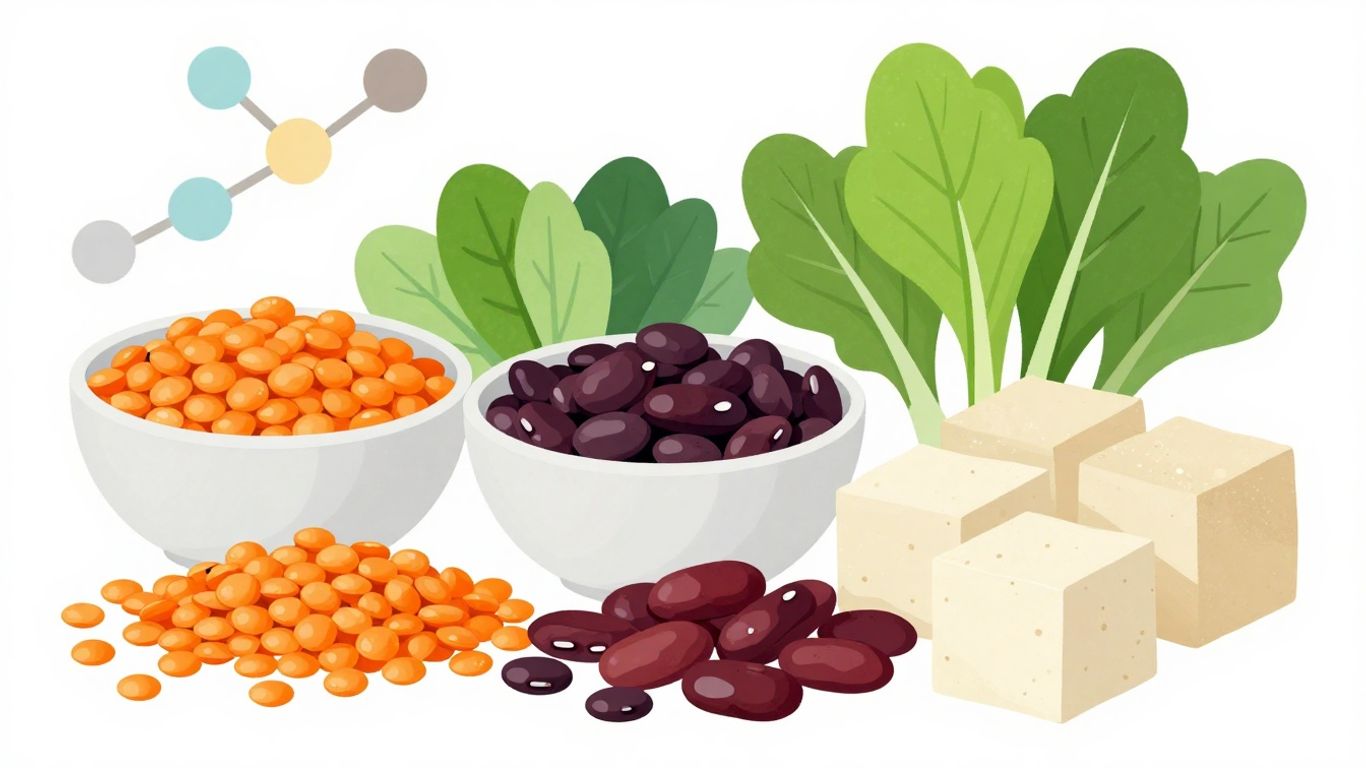
It's entirely possible to get all the essential amino acids (EAAs) we need from a vegan diet, but it does require a bit more thought than for those who eat animal products. The key is to combine different plant-based protein sources throughout the day. While some plant foods are considered 'complete' proteins, meaning they contain all nine EAAs in sufficient amounts, many are not. For instance, grains like rice and oats are often lower in lysine, while legumes like beans and lentils can be low in methionine. By eating a variety of these foods, we can create a balanced intake. Think of it like building a puzzle; each food piece contributes different amino acids to the whole picture. For example, pairing rice with beans, or adding nuts and seeds to a lentil soup, helps to cover our bases and ensure we're getting a full spectrum of EAAs.
The Importance of Variety in a Vegan Diet
We've found that the most effective strategy for optimising EAA intake on a vegan diet is simply to embrace variety. Eating a wide range of fruits, vegetables, grains, legumes, nuts, and seeds ensures that we're exposed to different amino acid profiles. This approach not only helps meet our EAA requirements but also provides a broad array of vitamins, minerals, and fibre, contributing to overall health. Don't just stick to the same few vegan staples; explore different cuisines and ingredients. This makes eating enjoyable and significantly increases the likelihood of obtaining all the necessary nutrients, including every one of the nine EAAs.
Ensuring Adequate Daily EAA Consumption
Making sure we consume enough EAAs daily is vital for numerous bodily functions, not just muscle repair. They are involved in everything from hormone production to immune system support. While it's often discussed in the context of fitness, EAAs are fundamental for general well-being. For vegans, paying attention to protein sources is important. Some plant-based foods are excellent sources of EAAs, such as soy products, quinoa, and buckwheat, which are considered complete proteins. However, relying on just one or two of these might still leave gaps. A varied diet, as mentioned, is the best way to ensure we're getting a consistent supply of all nine EAAs. If we're concerned about our intake, especially if we have high protein needs due to activity levels, we might consider how to boost our intake further.
The body requires all nine essential amino acids daily for optimal function. For vegans, achieving this balance involves thoughtful food combinations and a diverse diet. While certain plant foods offer a complete EAA profile, most require complementary pairings to ensure all needs are met.
When to Consider EAA Supplements for Vegans
While we always advocate for obtaining nutrients from whole foods, there are times when an EAA supplement can be a really useful addition to a vegan or vegetarian diet. It's not about replacing your meals, but rather topping up your intake when your diet might be falling a little short, especially if you're active.
Identifying Dietary Gaps with EAA Supplements
It's easy to assume we're getting enough of everything, but sometimes our dietary patterns, particularly with plant-based eating, can lead to subtle gaps in our essential amino acid intake. This is where an EAA supplement can act as a helpful indicator. If you're feeling persistently fatigued, struggling with recovery after exercise, or finding it hard to maintain muscle mass despite consistent training, it might be worth exploring your EAA levels. While a blood test isn't typically done for EAAs, a supplement can provide a direct source of all nine, allowing you to see if your body responds positively. This can be particularly relevant if you've identified specific foods you struggle to incorporate regularly, or if you're dealing with digestive issues that affect nutrient absorption. For instance, if you find it difficult to consistently consume enough protein-rich plant foods like soy or quinoa, an EAA supplement can offer a convenient way to ensure you're meeting your needs.
Choosing the Right EAA Supplement for Vegans
When selecting an EAA supplement, it's important to look for products specifically designed to be vegan-friendly. This means checking that all ingredients are derived from plant sources and that there are no animal-derived components. Many brands now offer vegan EAA powders or tablets. We've found that looking for supplements that provide a complete profile of all nine EAAs is key, rather than just BCAAs (branched-chain amino acids), as BCAAs only make up three of the nine. Some products even highlight a higher percentage of leucine, which is particularly important for muscle protein synthesis. Always check the ingredient list for any unwanted fillers or artificial additives. Some brands offer high-quality vegan EAA tablets that are free from common allergens and unnecessary binders.
Integrating Supplements with a Balanced Vegan Diet
Think of EAA supplements as a helpful tool, not a magic bullet. They work best when integrated into an already well-rounded vegan diet. The goal is to use them to fill specific nutritional gaps, not to rely on them entirely. For example, taking an EAA supplement around your workouts can support muscle repair and recovery, especially if your pre- or post-workout meal isn't perfectly balanced. We recommend timing your intake strategically:
-
Pre-workout: Can help prime your muscles and reduce fatigue.
-
Intra-workout: May provide sustained energy during long sessions.
-
Post-workout: Aids in the immediate recovery process.
It's also wise to consider your overall daily protein intake from food. Supplements should complement, not replace, your regular meals. If you're unsure about how much you need or the best way to incorporate them, consulting with a registered dietitian or nutritionist who understands vegan diets can be incredibly beneficial.
Benefits of EAAs for Vegan Athletes and Active Individuals
For those of us who lead active lives, whether we're hitting the gym regularly or participating in endurance sports, the role of essential amino acids (EAAs) becomes particularly significant. These compounds are the fundamental building blocks for muscle tissue, and their availability directly impacts our ability to perform, recover, and adapt to training.
Supporting Muscle Repair and Growth Post-Exercise
After a strenuous workout, our muscles undergo a process of repair and rebuilding. EAAs are directly involved in muscle protein synthesis (MPS), the mechanism by which our bodies create new muscle proteins. Leucine, one of the EAAs, acts as a key signal to initiate this process. For vegan athletes, ensuring an adequate intake of all nine EAAs is vital to optimise this repair and growth phase. Without sufficient EAAs, muscle recovery can be slower, potentially hindering progress and increasing the risk of overtraining. Studies have indicated that EAAs can indeed promote MPS, especially when consumed around exercise.
Reducing Muscle Soreness and Enhancing Recovery
We've all experienced that familiar post-exercise soreness, often referred to as DOMS. EAAs can play a role in mitigating this discomfort. Research suggests that supplementing with EAAs can help reduce the severity of muscle soreness and preserve muscle strength following intense physical activity. This is likely due to their role in reducing inflammation and aiding in the repair of exercise-induced muscle damage. By facilitating a quicker recovery, EAAs allow us to return to our training routines sooner and with less discomfort.
Boosting Energy Levels and Endurance
Beyond muscle repair, EAAs also contribute to our energy metabolism. During prolonged periods of exercise, when our glycogen stores might be depleted, EAAs can be converted into glucose, providing an alternative fuel source. This metabolic flexibility can help delay the onset of fatigue, which is particularly beneficial for endurance athletes. Furthermore, EAAs are precursors to neurotransmitters, which can influence mood and mental alertness, indirectly supporting sustained effort and focus during training.
It's important to remember that while EAAs are powerful tools for recovery and performance, they work best when integrated into a well-rounded diet and training plan. They are not a substitute for consistent training or a balanced intake of whole foods, but rather a complementary strategy to support our active lifestyles.
For vegan athletes and anyone leading an active life, getting enough essential amino acids (EAAs) is super important. These building blocks help your body repair and grow muscles, especially after a tough workout. Don't miss out on these vital nutrients; discover how EAAs can boost your performance and recovery. Visit our website today to learn more and find the best EAA supplements for your needs!
Wrapping Up: Your EAA Journey
So, we've looked at why essential amino acids are so important, especially for those of us choosing plant-based diets. It's clear that while getting enough EAAs, particularly leucine, can be a bit trickier without meat or dairy, it's definitely not impossible. By paying attention to the foods we eat and perhaps combining different plant proteins throughout the day, we can build a solid foundation. For those times when we're unsure or need an extra boost, supplements are an option, but it's always a good idea to chat with a health professional first. Ultimately, making informed choices about our diet helps us support our bodies, whether we're hitting the gym or just living our everyday lives.
Frequently Asked Questions
What are essential amino acids (EAAs) and why do we need them?
Essential amino acids, or EAAs, are vital components that our bodies cannot produce on their own. We need them from the food we eat because they are the fundamental building blocks for proteins. These proteins are crucial for many bodily functions, including repairing and building muscles, making important hormones, and helping our bodies work as they should. Without enough EAAs, things like muscle recovery and overall health can suffer.
Can vegans and vegetarians get enough EAAs from their diet?
Yes, it's definitely possible for vegans and vegetarians to get all the EAAs they need, but it requires a bit more attention to food choices. While many plant foods contain EAAs, some might be lower in certain types. By eating a variety of plant-based proteins throughout the day, such as soy products, quinoa, beans, lentils, nuts, and seeds, we can ensure we're getting a full spectrum of these important nutrients.
What is leucine and why is it important for vegans?
Leucine is a special type of essential amino acid that acts like a key to kickstart the process of building muscle protein. For vegans, it's important because some common plant-based protein sources might not have as much leucine as animal products. Making sure to include foods rich in leucine, like soy or lentils, or considering how to combine different plant foods can help ensure we're getting enough of this muscle-building trigger.
How can we make sure we're getting a good mix of EAAs from plant foods?
The best way to get a complete range of EAAs from plants is to eat a wide variety of foods. Think of it like putting together a puzzle! Combining different protein sources throughout the day helps cover all the bases. For example, pairing grains with legumes, like rice and beans, or adding nuts and seeds to salads, ensures a more balanced intake of all the essential amino acids our bodies need.
When might an EAA supplement be helpful for vegans?
While a well-planned diet is the primary source of EAAs, supplements can be useful for vegans in certain situations. If we're finding it hard to meet our EAA needs through food alone, perhaps due to dietary restrictions or increased physical demands, an EAA supplement can offer a convenient way to fill any gaps. It's always a good idea to look for supplements that are specifically designed for vegans and to consult with a health professional.
What are the main benefits of EAAs for active vegans?
For active vegans, EAAs are incredibly helpful for supporting their fitness goals. They play a big role in repairing muscles after exercise, which can mean less soreness and faster recovery. EAAs can also help maintain muscle mass, boost energy levels during workouts, and improve overall endurance. By ensuring adequate EAA intake, active individuals can better support their body's demands.

Founder of Love Life Supplements and host of the Optimised Health Show. Ben focuses on bridging nutrition science and daily performance for both body and mind. Learn more about Ben.